Food Stylist - Design Game
- 4.4
- Rating
- 1.00M
- Installs
- Free
- Price
 Analysis by App-foxy
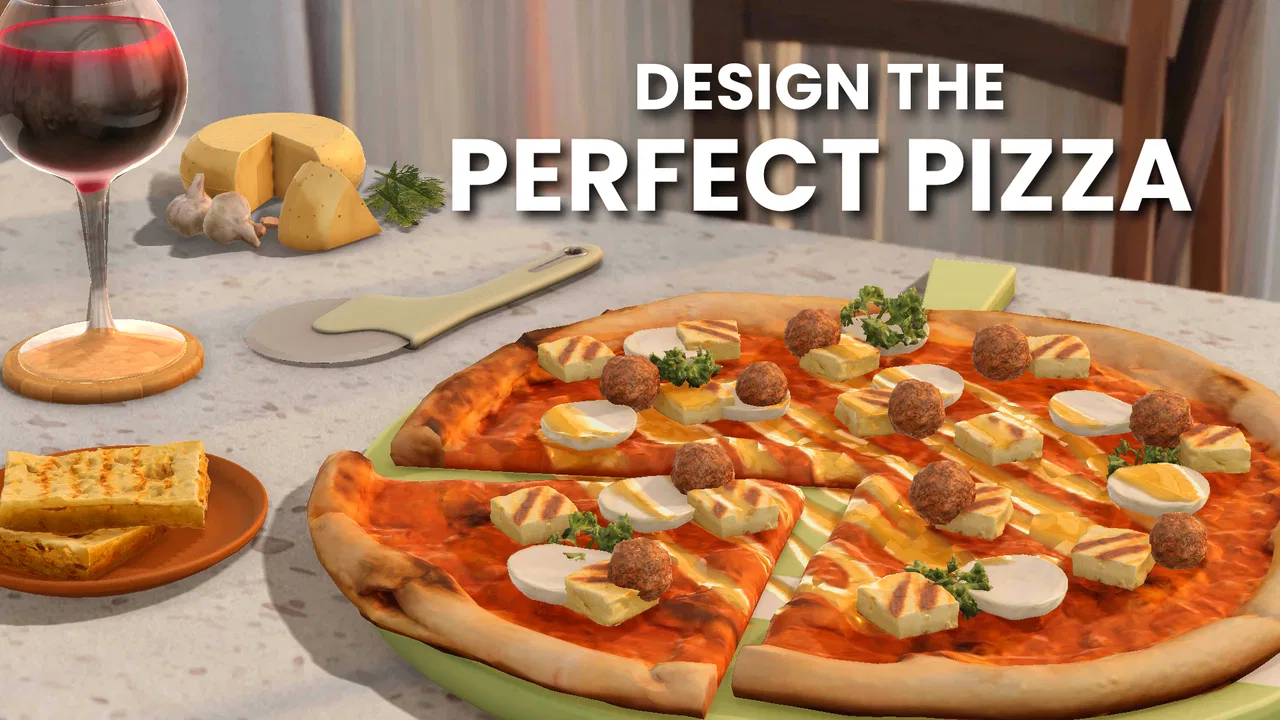
I went into Food Stylist - Design Game expecting a simple decorating distraction, and that is exactly where its appeal lies. It is a casual game from zeste about arranging food and tablescapes, but its best moments come from the small decisions between a plain setup and one that feels deliberately composed. I found it easy to pick up for a short break, while still giving me enough creative control to make each scene feel personal.
My overall view is straightforward: this is a relaxing choice for anyone who enjoys visual styling more than speed, competition, or complicated rules. It will not replace a deeper cooking simulator or a serious design tool, and players looking for constant action may find it too gentle. However, if you like turning a collection of dishes and table details into an attractive final image, it has a clear and pleasant identity.
What makes the food styling enjoyable
The central pleasure is not simply choosing attractive food. It is learning to think about the whole arrangement. A dish can look good on its own and still feel out of place when surrounded by the wrong table elements. I became more aware of balance, empty space, color relationships, and the visual weight of the main plate as I worked through different arrangements.
You May Also Like

 Google Keep - Notes and lists
Google Keep’s Quiet Growth Shows the Appeal of Simpler Notes
As mobile work gets busier, Google Keep keeps winning a simple contest: capture a thought quickly, find it later, and get on with the day.

 Blood Strike: 2.5 Anniversary
Blood Strike’s Loadouts Turn Every Drop Into a Tactical Gamble
A close look at Blood Strike’s custom loadouts: how fast access to signature weapons reshapes its battle royale rhythm, rewards preparation, and narrows the gap between fights.

 Pandora - Music & Podcasts
Pandora’s Music Is Easy to Start, but Harder to Recover
Pandora’s strength is its low-effort path from a seed to a station. Its weak spot is how much confidence it asks you to place in connection, setup, and quiet recovery.

 8 Ball Pool
 Is Built on Rivalries, Rematches, and Routine
A close look at the rivalries, rematches, shared routines, and unanswered safety questions that turn a quick pool match into a persistent mobile community.

 Samsung Music
’s Quiet Strength Is Playing What You Already Own
Its reach comes less from spectacle than from dependable access to a personal library. That simplicity is both the app’s strongest retention engine and its ceiling.

 AccuWeather: Weather Radar
AccuWeather Review: A Quick, Clear Forecast for Everyday Decisions
For everyday plans, the best forecast is the one you can understand quickly. AccuWeather makes rain timing, radar, and local conditions easy to act on, with a few trade-offs.
More From Our News Desk



That makes the game more satisfying than a basic tap-to-complete decorating activity. I could approach a scene by focusing on a centerpiece first, then build around it, or start with the table setting and use the food to complete the mood. Neither approach feels like the only correct method. The freedom to change direction is important because it makes the result feel designed rather than merely assembled.
The relaxing pace also suits the subject. Food presentation is naturally about patience and detail, so a calmer game loop feels appropriate. I never felt that I needed quick reflexes to enjoy it. Instead, I could pause over a choice, compare the overall look, and make a change when one item disrupted the composition.
The strongest reason to try it is the satisfying gap between “technically finished” and “visually convincing.” Completing a table is easy enough, but making it look coherent requires a little judgment. That extra layer gives the casual format more character than I expected.
A useful way to approach each scene
My most effective workflow was to avoid making every selection at once. I started with the item that seemed most important, usually the main food presentation, and treated it as the visual anchor. After that, I chose supporting elements that repeated one of its colors or shapes instead of selecting every attractive option independently.
This small change made a noticeable difference. When I picked items only because I liked them individually, the result could become busy. When I used one dominant idea and allowed the other choices to support it, the table looked more intentional. That is a practical lesson the game encourages without turning itself into a formal design course.
I also found that leaving some breathing room is useful. Filling every available area may seem like the safest way to make a scene feel complete, but it can weaken the focal point. A less crowded arrangement often makes the main dish easier to notice. Players who feel stuck should try removing one decorative choice rather than adding another.
Another helpful habit is to judge the scene as a whole before settling on a favorite object. A garnish or table accessory may look appealing in isolation but compete with the food once everything is visible. I treated each choice as part of a group, which made the final result feel more balanced and reduced the urge to keep changing items without a clear reason.
Why it works as a short-session game
Food Stylist fits naturally into small gaps in the day. I can imagine playing it while waiting for an appointment, winding down before bed, or taking a break from a more demanding game. The concept is immediately understandable, so there is no long learning period before the creative part begins.
The game also works for people who do not usually identify as gamers. Someone interested in food photography, home entertaining, visual mood boards, or table decoration can understand the appeal without needing experience with traditional game systems. The subject matter gives the activity a familiar entry point: arrange something attractive, inspect the result, and refine it.
That simplicity is a strength, but it also defines the limits. This is not the kind of game I would choose when I want a long strategic session or a strong sense of progression. Its value comes from the act of styling itself. If that activity does not hold your attention, there is not much action elsewhere to compensate.
It is free to download, which makes trying it low-risk. The game includes optional in-app purchases ranging from $0.99 to $99.99 per item, so I would advise deciding in advance whether you want to spend anything. For a relaxing decorating game, the best experience is usually the one where you stay focused on your own choices instead of feeling pressure to acquire every available option.
The visual thinking behind a good result
What I appreciated most was how the game rewards restraint. The obvious temptation is to make a table look impressive by adding the most decorative elements available. In practice, a clear theme works better. A warm, comforting arrangement benefits from repeated soft tones, while a brighter setup can use contrast more deliberately. The exact choices matter less than whether they appear to belong together.
I began to use three questions whenever an arrangement felt wrong: What should I notice first? Which item is distracting me? Is there enough contrast between the food and its surroundings? Those questions helped me make purposeful changes instead of randomly cycling through options.
This is also where the game can be surprisingly useful for beginners who enjoy visual creativity but do not know where to start. It provides a contained space for experimenting with composition. There is no need to buy ingredients, prepare a real room, or photograph a physical table. I could test an idea, see its effect immediately, and try a different direction without any practical cost.
That does not make it a substitute for real food styling. A real photograph involves lighting, texture, camera position, and the behavior of actual ingredients. The game simplifies those concerns into accessible choices. I see it as a playful introduction to presentation rather than a realistic simulation of professional work.
Where the experience loses some momentum
The main weakness is that the calm design can become repetitive. Once I understood the basic pleasure of arranging a central dish and supporting it with coordinated details, the novelty depended heavily on how much I still wanted to experiment. Players who need frequent surprises, rapid challenges, or a strong competitive push may feel that the game settles into a predictable rhythm.
This is not necessarily a design flaw, but it is an important trade-off. The same gentle structure that makes it comfortable for short sessions can make longer sessions feel less urgent. I enjoyed returning to it when I wanted a quiet creative task, not when I wanted the game to demand my full attention for an extended period.
The purchase range is another point to consider. Optional spending can be perfectly reasonable in a free casual title, but the upper end of the listed range is substantial compared with the lightweight nature of the experience. I would recommend treating purchases as an extra rather than assuming they are necessary for enjoyment. Anyone who dislikes in-app purchase systems should think carefully before settling into the game.
There is also a difference between creative freedom and unlimited control. The game lets me make styling decisions, but it remains a guided digital activity rather than a blank canvas. That is helpful for people who want prompts and structure, yet it may frustrate users who want to place every element freely, adjust fine details, or build completely original scenes from scratch.
Compared with a cooking game, this title puts presentation ahead of preparation. There is less emphasis on timing, recipes, or managing a kitchen. Compared with a home-design game, the focus is narrower and more food-centered. Compared with a drawing or collage app, it offers a more guided experience but less unrestricted expression. I prefer it to those alternatives when I want a quick, themed creative task; I would choose the alternatives when I want deeper systems or complete control.
Who should play it, and who should skip it
I think it is a strong fit for casual players who enjoy arranging objects, comparing color combinations, and improving a finished composition through small changes. It should also appeal to people who like food-focused visuals but do not want the pressure of a timed cooking challenge. The Everyone 10+ age rating makes it suitable for a broad audience, although younger players may still need guidance around optional purchases.
It is particularly well suited to a short daily routine. For example, after dinner I might spend a few minutes creating a table that uses the same mood as the meal I just had: warm colors for comfort food, brighter contrast for something fresh, or a simpler layout when I want the main dish to stand out. That kind of personal connection makes the activity feel less random and gives each session a small creative purpose.
I would not recommend it first to someone seeking a demanding game with measurable mastery. If your favorite casual titles involve fast rounds, puzzles with escalating difficulty, resource management, or direct competition, the gentle styling focus may not provide enough tension. Likewise, professional designers may find the simplified controls too limited for serious portfolio work.
It is available for devices running Android 7.0 or later, and the current version is 1.0.105. The game has reached over a million installs, with an average rating of 4.4 from around 19 thousand ratings and roughly 1.3 thousand written reviews. Those figures suggest that its straightforward concept has connected with a sizeable audience, but they should not obscure the more personal question: do you enjoy making visual choices for their own sake?
Small habits that improve the experience
My first tip is to create a visual hierarchy before worrying about decoration. Decide which food item deserves attention, then make the surrounding choices quieter. This prevents the common problem of having several competing focal points and makes the final arrangement easier to read.
My second tip is to compare the complete scene after every major change. A choice that looks excellent in a close view may become distracting once the table is finished. Looking at the full composition helps reveal clutter, weak contrast, or an accidental color imbalance.
My third tip is to use the game as a mood exercise rather than chasing a single idea of beauty. A clean, minimal table can be just as successful as a richly decorated one if the choices agree with each other. Trying different moods keeps the experience fresher and makes the creative process more personal.
Finally, I would avoid spending immediately. Play long enough to decide whether the basic styling loop genuinely holds your interest. Since the game is free, there is no reason to make a purchase before you know whether you enjoy its particular pace and level of control.
My final recommendation
Food Stylist - Design Game is a pleasant, focused casual game with a clear strength: it turns food presentation into a low-pressure creative activity. I liked that it rewarded attention to balance and restraint instead of relying on speed. The most enjoyable sessions were not about finishing quickly; they were about noticing why one arrangement felt more convincing than another.
Its limitations are equally clear. The loop may feel repetitive during long play, the creative tools are guided rather than completely open, and the optional purchase range deserves caution. Those issues do not undermine the game, but they make the audience specific. This is best approached as a relaxing styling pastime, not as a full cooking simulation, a competitive challenge, or a professional design workspace.
For me, the deciding question is simple: would I open it when I want to make something look good without dealing with pressure? Yes. I would recommend it to a friend who enjoys food, visual composition, and short creative sessions. If that sounds like you, the free download is worth trying. If you need constant action or deep progression, a different casual game will probably be a better use of your time.
Developed by zeste and released on August 22, 2022, it has maintained a modest but distinctive idea: let the player shape the atmosphere around food. That idea is not endlessly deep, but it is coherent, accessible, and relaxing. In the right hands, a few thoughtful choices are enough to make this small game feel surprisingly satisfying.
FAQs for Food Stylist - Design Game
01What is Food Stylist - Design Game about?
Food Stylist - Design Game is a creative decorating game focused on styling food and arranging attractive scenes. You choose ingredients, dishes, tableware, backgrounds, and decorative details to create visually appealing food presentations. After completing a design, you can usually submit it for ratings or compare it with other players’ creations, making the experience part cooking theme and part interior-style customization game.
02Is Food Stylist - Design Game free to download and play?
The game can generally be downloaded for free, but it may include optional in-app purchases. These purchases can provide extra items, currencies, design choices, or other conveniences. You can enjoy the basic creative experience without paying, although progression and access to certain premium decorations may be slower unless you watch advertisements, complete objectives, or choose to buy additional content.
03Does the game require an internet connection?
An internet connection may be needed for several important features, including downloading new content, receiving events, displaying advertisements, submitting designs, and viewing community ratings or other players’ work. Some decorating activities may remain available offline, but the complete experience is more reliable when connected to Wi-Fi or mobile data. Availability can also vary after updates.
04Are there advertisements or in-app purchases in Food Stylist - Design Game?
Yes, players should expect advertising and optional purchases in the game. Advertisements may appear between activities or be offered in exchange for rewards, while in-app purchases can unlock premium currency, special items, or faster progress. Before downloading, review the store listing and your device’s purchase settings, particularly if children may use the device.
05Is Food Stylist - Design Game suitable for children?
The game is generally suitable for players who enjoy colorful, non-violent creative activities, since its main focus is food presentation and visual design. However, parents should check the age rating, privacy information, advertising practices, and online interaction features for their region. If purchases are enabled, parental controls are recommended to prevent accidental transactions.
Pros
- Relaxing gameplay with no time limits or stressful competition.
- Wide variety of dishes
- ingredients
- and styling options to explore.
- Easy controls make decorating meals accessible for casual players.
- Creative challenges encourage experimentation with colors and presentation.
- Works well for short play sessions when you have a few spare minutes.
Cons
- Progress may feel repetitive after completing many similar styling tasks.
- Some appealing items and upgrades may require in-app purchases.
- Ads can interrupt gameplay
- especially between challenges or levels.
- Limited interaction may disappoint players seeking deeper cooking mechanics.
- Performance and loading times can vary on older mobile devices.

Food Stylist - Design Game
Gallery